

6 Ways Orthopedic Doctors Help Manage Arthritis Pain Effectively
Living with arthritis can be physically and emotionally challenging, affecting daily routines, mobility, and overall quality of life. The persistent discomfort and stiffness associated with joint conditions often make even simple movements feel difficult. Fortunately, modern medical care offers a wide range of solutions designed to reduce pain and improve function. Through personalized care plans, advanced treatments, and ongoing support, orthopedic doctors play a crucial role in helping patients regain control over their lives.
Understanding how these specialists approach arthritis management can provide clarity and reassurance for those seeking relief. From diagnosis to long-term care, their strategies focus on addressing both the symptoms and underlying causes of joint pain.
1. Understanding Arthritis Conditions
Arthritis is not a single condition but rather a broad term used to describe various joint-related disorders. Each type presents unique challenges, requiring a tailored approach to treatment. Orthopedic doctors begin by carefully evaluating the specific form of arthritis affecting a patient, whether it involves inflammation, degeneration, or an autoimmune response.
A thorough understanding of the condition allows for more accurate treatment planning. Symptoms such as swelling, stiffness, and reduced range of motion are carefully assessed to determine their severity and impact. According to Harvard Health Publishing, arthritis affects up to one in four American adults, making it a leading cause of joint pain. This widespread prevalence highlights the importance of early and effective management.
By identifying the root cause of discomfort, orthopedic doctors can recommend targeted interventions that address both immediate symptoms and long-term joint health. This foundational step ensures that every treatment plan is both effective and sustainable.
2. Evaluating Joint Health Thoroughly
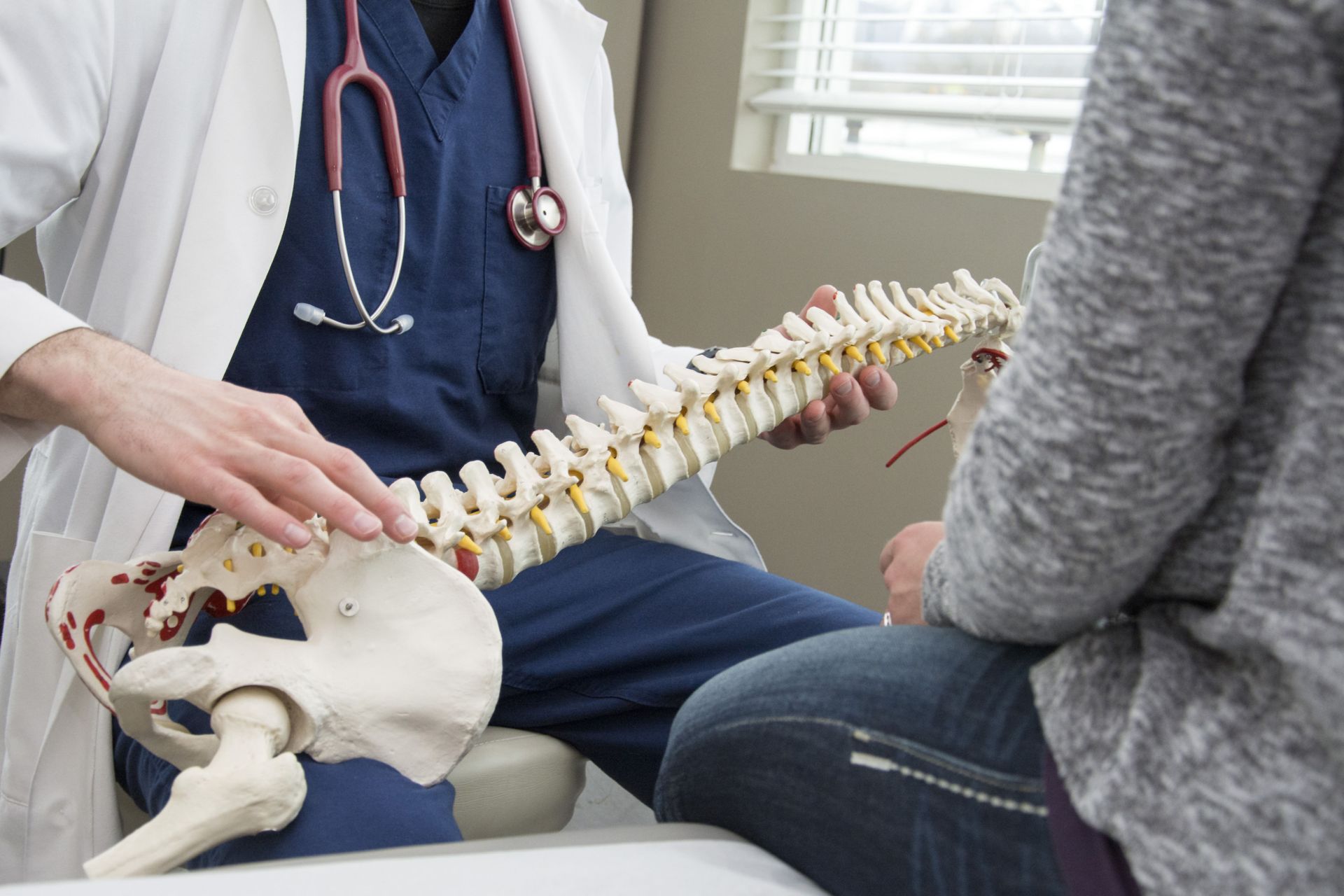
A comprehensive evaluation is essential for developing a successful treatment strategy. Orthopedic doctors utilize a combination of physical examinations, patient history, and diagnostic imaging to gain a complete picture of joint health.
During the assessment process, they look for signs of inflammation, joint damage, and structural changes. Imaging tools such as X-rays and advanced scans help reveal details that may not be visible through physical examination alone. This level of insight allows specialists to detect issues early and monitor progression over time.
Just as important is recognizing how arthritis impacts a patient’s everyday life. Factors such as activity level, occupation, and lifestyle habits are taken into consideration. By evaluating both medical and personal aspects, orthopedic doctors can create a more personalized and effective plan for managing pain and improving function.
This thorough approach ensures that no detail is overlooked, leading to more accurate diagnoses and better outcomes for patients. It also allows for early detection of potential complications, enabling timely interventions that can prevent further joint damage.
3. Creating Personalized Treatment Plans
No two individuals experience arthritis in the same way, which is why personalized care is essential. Orthopedic doctors design treatment plans that reflect each patient’s unique condition, goals, and lifestyle.
These plans often combine multiple strategies to address pain from different angles. Medications may be prescribed to reduce inflammation and discomfort, while physical therapy helps strengthen surrounding muscles and improve joint stability. Lifestyle modifications, such as adjusting daily activities or incorporating low-impact exercises, can also play a significant role in managing symptoms.
Patient education is another key component. Understanding how to protect joints, maintain proper posture, and avoid strain empowers individuals to take an active role in their care. Orthopedic doctors guide patients through these changes, ensuring they feel confident and supported throughout the process.
By tailoring treatment to individual needs, these specialists help patients achieve meaningful and lasting improvements in their quality of life. This personalized approach ensures that care remains effective, adaptable, and aligned with each patient’s evolving needs over time.
4. Providing Advanced Pain Management Options
Modern medicine offers a variety of advanced techniques for managing arthritis pain. Orthopedic doctors stay at the forefront of these developments, providing patients with access to innovative treatments that go beyond traditional methods.
Injections are one common option, delivering medication directly into the affected joint to reduce inflammation and provide relief. Other therapies may involve regenerative techniques designed to support the body’s natural healing processes. These approaches aim to improve joint function while minimizing discomfort.
Pain management also includes non-invasive solutions such as specialized braces, supportive devices, and targeted exercises. These tools help reduce stress on joints, allowing them to function more efficiently.
Orthopedic doctors carefully evaluate each patient’s condition to determine which options are most appropriate. By combining advanced treatments with proven methods, they create comprehensive plans that address pain effectively and safely.
5. Guiding Rehabilitation and Physical Therapy
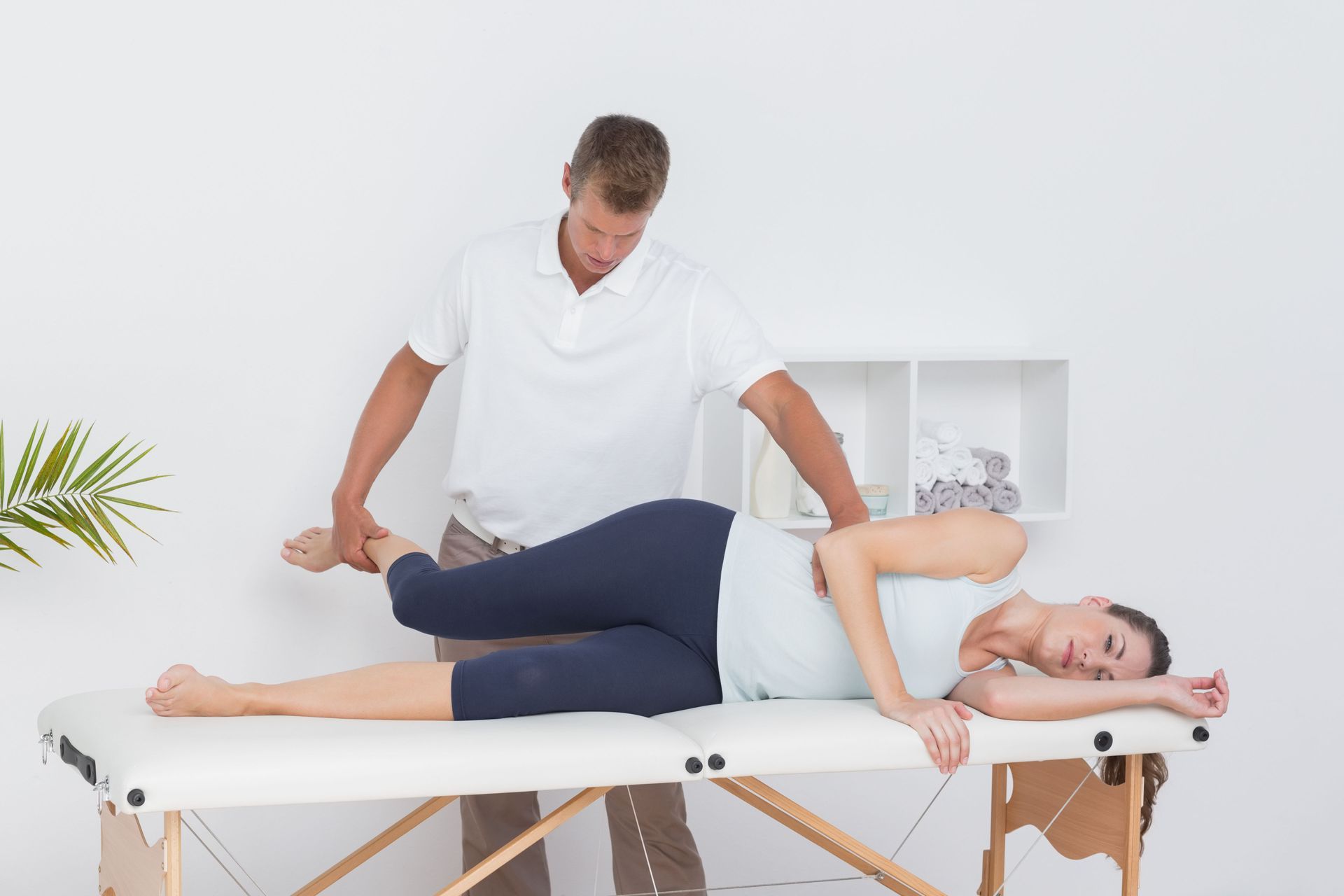
Rehabilitation is a critical part of arthritis management, helping patients regain strength, flexibility, and mobility. Orthopedic doctors often collaborate with physical therapists to develop customized programs that support recovery and long-term joint health.
These programs focus on improving the range of motion, strengthening muscles around affected joints, and enhancing overall stability. Gentle, controlled movements are introduced gradually to avoid strain while promoting progress. Over time, patients may notice increased comfort and improved ability to perform daily activities.
Consistency is key to successful rehabilitation. Orthopedic doctors encourage patients to stay committed to their therapy plans, providing guidance and adjustments as needed. Regular follow-ups ensure that progress is monitored and any challenges are addressed promptly.
Through structured rehabilitation, patients gain the tools and confidence needed to manage their condition more effectively, leading to a more active and fulfilling lifestyle. This progress not only improves physical function but also enhances overall quality of life by restoring a greater sense of independence and control.
6. Supporting Long-Term Joint Health
Managing arthritis is an ongoing process that requires continuous care and attention. Orthopedic doctors play a vital role in helping patients maintain joint health over time, preventing further damage and minimizing discomfort.
Long-term strategies often include regular check-ups, adjustments to treatment plans, and ongoing education. Patients are encouraged to adopt healthy habits such as maintaining a balanced diet, staying physically active, and avoiding activities that place excessive stress on joints.
Monitoring progression is also essential. By tracking changes in symptoms and joint function, orthopedic doctors can make timely interventions that prevent complications. This proactive approach helps preserve mobility and reduce the risk of worsening conditions.
Support extends beyond physical care. Living with arthritis can be emotionally challenging, and having a trusted medical professional provides reassurance and guidance. Orthopedic doctors help patients navigate these challenges, offering solutions that address both physical and emotional well-being.
Arthritis can significantly impact daily life, but effective management is possible with the right support and treatment. From accurate diagnosis to personalized care plans, orthopedic doctors provide comprehensive solutions designed to reduce pain and improve function.
Their expertise in evaluating joint health, recommending advanced treatments, and guiding rehabilitation ensures that patients receive well-rounded care tailored to their needs. By focusing on both immediate relief and long-term health, they empower individuals to take control of their condition and maintain a higher quality of life.
With ongoing support and a proactive approach, managing arthritis becomes more achievable, allowing patients to stay active, independent, and confident in their daily routines. This consistent guidance helps individuals build sustainable habits that support long-term joint health and overall well-being.
If you are ready to take the next step toward managing arthritis pain effectively, we are here to support you every step of the way. At Olney Orthopedics & Therapy, we focus on personalized care that helps you move better, feel stronger, and live more comfortably.


Share On: