

Reasons You Might Need to Consult an Orthopedic Surgeon
The human body is an intricate network of bones, ligaments, tendons, muscles, and nerves. When injury or disease disrupts this delicate balance, mobility is severely compromised, leading to significant discomfort. Recognizing the appropriate time to seek specialized medical attention is essential for achieving optimal recovery and preventing long-term structural damage. According to Zippia, more than 21,068 orthopedic surgeons are currently practicing in the United States. Finding the right specialist ensures that patients receive the highest standard of care. An orthopedic surgeon possesses the extensive training required to accurately diagnose and treat complex mechanical issues within the body, offering a wide spectrum of solutions that range from conservative physical therapies to advanced surgical interventions. By addressing these musculoskeletal challenges promptly, individuals can effectively restore their overall quality of life and maintain their daily independence.
Experiencing Persistent Pain in Joints or Muscles
Pain is the body's primary mechanism for signaling that something is mechanically wrong. While temporary soreness after exertion is completely normal, persistent pain that lasts for several consecutive weeks requires a clinical evaluation. Chronic discomfort in areas such as the knees, shoulders, hips, or lower back often points to structural degradation or severe inflammation that will not resolve independently. Over-the-counter medications only mask these symptoms temporarily. An orthopedic surgeon has the expertise to isolate the exact anatomical source of the pain. By conducting physical examinations and utilizing sophisticated imaging studies, these medical professionals pinpoint issues like microscopic tendon tears. Early intervention is crucial to prevent patients from altering their natural biomechanics and placing undue stress on secondary joints.
Sustaining Traumatic Injuries During Physical Activity
Engaging in vigorous physical activities inherently carries a risk of acute trauma. High-impact collisions, sudden changes in directional momentum, or repetitive stress motions frequently result in severe injuries such as torn ligaments, complex bone fractures, and complete joint dislocations. These acute traumas require immediate, highly specialized medical management to ensure that the skeletal system heals in the correct anatomical alignment. Consulting an orthopedic surgeon immediately following a sports-related injury is the most reliable way to secure a favorable prognosis. Whether a patient requires a complex ligament reconstruction or the precise reduction of a severe fracture, professional surgical expertise prevents improper healing that leads to lifelong mechanical instability and premature joint degeneration.
Dealing With a Progressive Loss of Mobility
A healthy musculoskeletal system is characterized by a fluid, unimpeded range of motion across all primary joints. When a patient notices progressive stiffness or an inability to fully articulate a limb, it signifies a serious underlying pathology. This progressive loss of flexibility is frequently caused by the accumulation of scar tissue, the development of bone spurs, or the gradual thickening of joint capsules. An orthopedic surgeon will conduct a detailed biomechanical assessment to determine precisely why the joint is locking. Through targeted interventions, these specialists meticulously restore the natural mechanics of the joint, allowing patients to regain their functional independence without unnecessary restriction.
Managing Chronic Conditions Like Arthritis and Osteoporosis
Degenerative joint diseases and systemic bone conditions affect millions of individuals, progressively eroding their physical capabilities. Osteoarthritis involves the gradual deterioration of the protective cartilage that cushions the ends of bones. As this cartilage wears away, the resulting friction causes severe inflammation, swelling, and debilitating pain. Similarly, osteoporosis weakens the structural density of the bones, making them highly susceptible to fractures from minor impacts. Effectively managing these chronic conditions is a core responsibility of an orthopedic surgeon. Specialists develop comprehensive management plans that include targeted physical therapies and advanced treatments designed to preserve remaining joint function. By closely monitoring bone density, professionals adapt their therapeutic approaches as the disease evolves.
Addressing Nerve Compression and Peripheral Neuropathy
Musculoskeletal health is intimately connected to the peripheral nervous system. When bones, ligaments, or herniated discs shift out of their correct anatomical positions, they can heavily compress adjacent neural pathways. This mechanical compression manifests as sharp, radiating pain, persistent numbness, or a profound tingling sensation traveling down the extremities. Conditions such as carpal tunnel syndrome, sciatica, and cervical radiculopathy are prime examples of structural issues impacting nerve function. Ignoring these neurological symptoms can result in permanent nerve damage. An orthopedic surgeon provides the specialized diagnostic clarity needed to identify the exact point of musculoskeletal impingement. By surgically decompressing the affected nerves or stabilizing the adjacent skeletal structures, these professionals effectively alleviate debilitating neurological symptoms.
Exploring Options for Joint Replacement Surgery
When conservative treatments like physical therapy and pharmaceutical interventions no longer provide adequate relief, joint replacement surgery becomes a highly viable consideration. Severe joint destruction caused by advanced arthritis, avascular necrosis, or severe trauma can render a joint completely nonfunctional. In these advanced stages, the chronic pain becomes unmanageable, severely limiting a patient's ability to perform basic tasks. The decision to undergo arthroplasty requires careful consultation with an orthopedic surgeon. These highly trained professionals meticulously evaluate the exact extent of the joint damage and determine whether a total or partial replacement is the most appropriate surgical path. Surgeons implant artificial joints designed to replicate the exact mechanics of a healthy human joint, offering patients a dramatic restoration of mobility.
Navigating the Complexities of Spinal Pathology
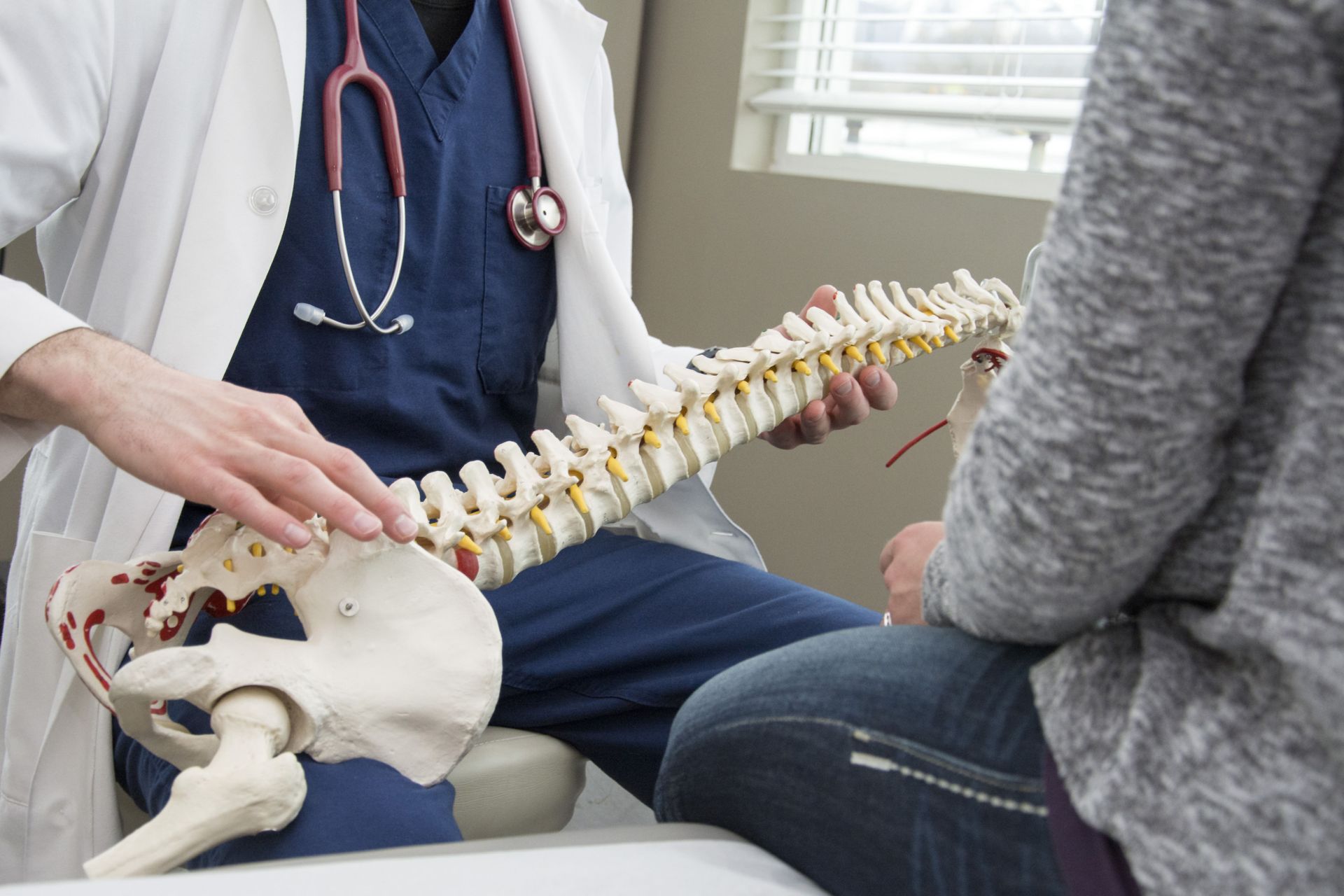
The human spine is a remarkably complex structure designed to protect the central spinal cord while allowing for dynamic torso mobility. Because of its intricate composition of vertebrae, discs, facet joints, and supporting musculature, the spine is highly susceptible to a wide variety of degenerative and traumatic conditions. Herniated intervertebral discs, spinal stenosis, and degenerative scoliosis can cause intense, localized back pain as well as debilitating symptoms that radiate into the arms or legs. Treating spinal pathology requires an extraordinary level of precision and deep anatomical knowledge. An orthopedic surgeon who specializes in the spine possesses the advanced training required to navigate this delicate region. These specialists focus on stabilizing the vertebral column while meticulously protecting the delicate neural elements.
Benefiting From Advanced Diagnostic Technology
Accurate diagnosis is the foundational pillar of effective medical treatment. Symptoms like joint pain or muscular weakness can originate from a multitude of intersecting mechanical issues. Relying solely on a basic physical examination is often insufficient for identifying the exact microscopic pathology causing the distress. Accessing advanced diagnostic modalities is one of the primary reasons patients seek specialized musculoskeletal care. By consulting an
orthopedic surgeon, patients gain direct access to a comprehensive array of sophisticated imaging technologies. High-resolution magnetic resonance imaging, computerized tomography scans, and real-time musculoskeletal ultrasound allow these specialists to visualize internal structures with unparalleled clarity. This definitive diagnostic capability ensures that subsequent treatments are targeted to the precise anatomical defect.
At Olney Orthopedics & Therapy, we understand how debilitating joint pain and compromised mobility can be to your daily life. Our dedicated team of highly trained medical professionals is committed to providing comprehensive, patient-focused care that targets the root cause of your musculoskeletal issues. Whether you require conservative rehabilitative therapy or advanced surgical intervention, we utilize the latest medical technologies to develop a customized treatment plan designed specifically for your unique physiological needs. We pride ourselves on delivering compassionate, expert care that helps you regain your strength, restore your natural range of motion, and return to the activities you love. We encourage you to contact Olney Orthopedics & Therapy today to schedule your comprehensive evaluation and take the first step toward lasting physical wellness.

Share On: